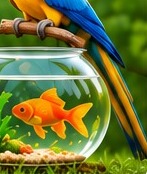
Overview
Aquarium fish depend on stable water conditions and an environment designed for their species. A beautiful tank is not automatically a healthy tank; filtration, cycling, stocking levels and routine testing are fundamental. A practical Goldfish care plan should also account for this point: goldfish produce substantial waste and need more water volume and filtration than small decorative bowls provide. Plan the aquarium around the adult variety, expected size and swimming space. Test water regularly and avoid adding fish before the biological filter is established. Fancy and single-tail varieties can have different swimming and housing needs.
Goldfish were domesticated from East Asian carp over many generations. Different body shapes and fin types have been developed, from streamlined commons to fancy varieties. When researching Goldfish, compare more than photographs. Ask how the animal behaves during ordinary routines, what it eats, how it responds to handling and whether it has any known medical needs. These details are often more useful than a short description such as friendly or easy to care for. When comparing care options for Goldfish, remember that goldfish produce substantial waste and need more water volume and filtration than small decorative bowls provide. Plan the aquarium around the adult variety, expected size and swimming space. Test water regularly and avoid adding fish before the biological filter is established. Fancy and single-tail varieties can have different swimming and housing needs.
In day-to-day life, consistency is more valuable than complicated routines. Keep supplies ready, make the environment safe before introducing changes and observe how Goldfish responds. If you share your home with children or other animals, plan introductions gradually and supervise until everyone is comfortable. A written care routine can help all household members provide the same standard of care. Owners of Goldfish can use this guidance alongside this individual consideration: goldfish produce substantial waste and need more water volume and filtration than small decorative bowls provide. Plan the aquarium around the adult variety, expected size and swimming space. Test water regularly and avoid adding fish before the biological filter is established. Fancy and single-tail varieties can have different swimming and housing needs.
History and Origin
Aquarium species come from different habitats, including rivers, streams, floodplains and lakes. Their natural water flow, temperature, group behaviour and shelter needs should guide tank design. For Goldfish, this is especially important: goldfish produce substantial waste and need more water volume and filtration than small decorative bowls provide. Plan the aquarium around the adult variety, expected size and swimming space. Test water regularly and avoid adding fish before the biological filter is established. Fancy and single-tail varieties can have different swimming and housing needs.
Goldfish produce substantial waste and grow larger than many new keepers expect. Their needs depend on variety, adult size and swimming ability. The history of Goldfish should be treated as context, not a fixed prediction. Modern living conditions, breeding choices and an animal's early experiences can change how inherited tendencies appear. Provide appropriate enrichment without encouraging unsafe behaviour. A practical Goldfish care plan should also account for this point: goldfish produce substantial waste and need more water volume and filtration than small decorative bowls provide. Plan the aquarium around the adult variety, expected size and swimming space. Test water regularly and avoid adding fish before the biological filter is established. Fancy and single-tail varieties can have different swimming and housing needs.
Physical Appearance
Observe swimming posture, fin condition, body shape, colour and breathing. Clamped fins, gasping, rubbing against objects or loss of balance can indicate stress or disease and should prompt water testing. Owners of Goldfish can use this guidance alongside this individual consideration: goldfish produce substantial waste and need more water volume and filtration than small decorative bowls provide. Plan the aquarium around the adult variety, expected size and swimming space. Test water regularly and avoid adding fish before the biological filter is established. Fancy and single-tail varieties can have different swimming and housing needs.
They are generally peaceful, but fancy forms may struggle with fast-swimming tank mates. Choose compatible fish based on swimming and feeding ability. For Goldfish, ask for adult measurements and a realistic growth or development timeline. Keep a record of body condition and discuss any sudden change in weight, coat, posture or movement with a professional who understands this species.
Temperament and Behaviour
Fish behaviour ranges from peaceful schooling to territorial defence. Research adult size, social group requirements and compatibility before mixing species. Never assume fish with similar sizes will automatically coexist safely. When comparing care options for Goldfish, remember that goldfish produce substantial waste and need more water volume and filtration than small decorative bowls provide. Plan the aquarium around the adult variety, expected size and swimming space. Test water regularly and avoid adding fish before the biological filter is established. Fancy and single-tail varieties can have different swimming and housing needs.
Use a spacious, cycled aquarium with strong filtration and regular water testing. A small bowl is not an appropriate long-term home. Give Goldfish time to become familiar with new people, sounds and surroundings. Reward relaxed behaviour, provide a quiet retreat and avoid forcing contact. Children should be shown how to interact calmly and when to leave the animal alone. Owners of Goldfish can use this guidance alongside this individual consideration: goldfish produce substantial waste and need more water volume and filtration than small decorative bowls provide. Plan the aquarium around the adult variety, expected size and swimming space. Test water regularly and avoid adding fish before the biological filter is established. Fancy and single-tail varieties can have different swimming and housing needs.
Types and Varieties
Colour strains and fin types can have different swimming abilities and care requirements. Select healthy, active fish from responsible sources and avoid varieties whose extreme body shapes compromise welfare. A practical Goldfish care plan should also account for this point: goldfish produce substantial waste and need more water volume and filtration than small decorative bowls provide. Plan the aquarium around the adult variety, expected size and swimming space. Test water regularly and avoid adding fish before the biological filter is established. Fancy and single-tail varieties can have different swimming and housing needs.
Poor water quality, buoyancy disorders and parasites are issues to watch for. Good filtration and careful feeding are central to prevention. If you are comparing varieties of Goldfish, request transparent health information and meet the animal where possible. Responsible sources should be willing to explain their care practices and answer questions without pressuring you to make an immediate decision. When comparing care options for Goldfish, remember that goldfish produce substantial waste and need more water volume and filtration than small decorative bowls provide. Plan the aquarium around the adult variety, expected size and swimming space. Test water regularly and avoid adding fish before the biological filter is established. Fancy and single-tail varieties can have different swimming and housing needs.
Care and Grooming
Cycle the aquarium before adding fish, use suitable filtration and heater equipment where needed, and test water regularly. Perform partial water changes with conditioned water and clean equipment without destroying beneficial bacteria. For Goldfish, this is especially important: goldfish produce substantial waste and need more water volume and filtration than small decorative bowls provide. Plan the aquarium around the adult variety, expected size and swimming space. Test water regularly and avoid adding fish before the biological filter is established. Fancy and single-tail varieties can have different swimming and housing needs.
Diet and Nutrition
Offer a varied, species-appropriate food in small portions. Overfeeding pollutes water and can cause health problems. Remove uneaten food and adjust feeding based on fish condition, activity and species requirements. Owners of Goldfish can use this guidance alongside this individual consideration: goldfish produce substantial waste and need more water volume and filtration than small decorative bowls provide. Plan the aquarium around the adult variety, expected size and swimming space. Test water regularly and avoid adding fish before the biological filter is established. Fancy and single-tail varieties can have different swimming and housing needs.
Training and Enrichment
Fish do not train like mammals, but they can learn feeding routines and respond to predictable cues. Use enrichment through plants, shelters and naturalistic layouts while keeping open swimming areas. When comparing care options for Goldfish, remember that goldfish produce substantial waste and need more water volume and filtration than small decorative bowls provide. Plan the aquarium around the adult variety, expected size and swimming space. Test water regularly and avoid adding fish before the biological filter is established. Fancy and single-tail varieties can have different swimming and housing needs.
Health and Common Issues
Many common fish problems are linked to water quality, stress or new fish introduced without quarantine. Test ammonia, nitrite, nitrate, pH and temperature as appropriate, and seek aquatic veterinary advice when needed. A practical Goldfish care plan should also account for this point: goldfish produce substantial waste and need more water volume and filtration than small decorative bowls provide. Plan the aquarium around the adult variety, expected size and swimming space. Test water regularly and avoid adding fish before the biological filter is established. Fancy and single-tail varieties can have different swimming and housing needs.
Exercise and Living Needs
Tank size, shape, current and open swimming space should match adult behaviour. Schooling species need groups; territorial fish need sight breaks and enough room to establish territories. For Goldfish, this is especially important: goldfish produce substantial waste and need more water volume and filtration than small decorative bowls provide. Plan the aquarium around the adult variety, expected size and swimming space. Test water regularly and avoid adding fish before the biological filter is established. Fancy and single-tail varieties can have different swimming and housing needs.
Is This Pet Right for You?
Aquariums require regular maintenance, testing, electricity and equipment costs. Plan for holidays, power interruptions and emergency water changes before stocking the tank. Owners of Goldfish can use this guidance alongside this individual consideration: goldfish produce substantial waste and need more water volume and filtration than small decorative bowls provide. Plan the aquarium around the adult variety, expected size and swimming space. Test water regularly and avoid adding fish before the biological filter is established. Fancy and single-tail varieties can have different swimming and housing needs.
Key Takeaways
Stable water, careful stocking, appropriate food and patient observation are the foundation of fish care. Research each species before purchase and never release aquarium animals into natural waterways. When comparing care options for Goldfish, remember that goldfish produce substantial waste and need more water volume and filtration than small decorative bowls provide. Plan the aquarium around the adult variety, expected size and swimming space. Test water regularly and avoid adding fish before the biological filter is established. Fancy and single-tail varieties can have different swimming and housing needs.
Seasonal and Regional Care Considerations
In homes across the United States and Canada, indoor temperatures can fluctuate during heat waves, cold snaps and power interruptions. Select aquarium equipment for local conditions, monitor water temperature, plan backup aeration where appropriate and avoid placing tanks in direct sunlight. Never release aquarium fish into ponds, rivers or drains. A practical Goldfish care plan should also account for this point: goldfish produce substantial waste and need more water volume and filtration than small decorative bowls provide. Plan the aquarium around the adult variety, expected size and swimming space. Test water regularly and avoid adding fish before the biological filter is established. Fancy and single-tail varieties can have different swimming and housing needs.
Climate, veterinary access and local housing conditions differ across regions. Ask a nearby qualified veterinarian about region-specific preventive care, safe seasonal routines and any local requirements that apply to your animal. When comparing care options for Goldfish, remember that goldfish produce substantial waste and need more water volume and filtration than small decorative bowls provide. Plan the aquarium around the adult variety, expected size and swimming space. Test water regularly and avoid adding fish before the biological filter is established. Fancy and single-tail varieties can have different swimming and housing needs.
Frequently Asked Questions About Goldfish
Is Goldfish suitable for first-time owners?
Goldfish may suit a first-time owner who has researched its specific needs and can provide suitable space, time, nutrition, enrichment and professional care. The individual animal and household are more important than a general breed label. Owners of Goldfish can use this guidance alongside this individual consideration: goldfish produce substantial waste and need more water volume and filtration than small decorative bowls provide. Plan the aquarium around the adult variety, expected size and swimming space. Test water regularly and avoid adding fish before the biological filter is established. Fancy and single-tail varieties can have different swimming and housing needs.
What should I prepare before bringing Goldfish home?
Prepare a safe species-appropriate environment, suitable food, clean water, enrichment and a plan for veterinary care. Learn the daily routine and remove household hazards before the animal arrives. For Goldfish, this is especially important: goldfish produce substantial waste and need more water volume and filtration than small decorative bowls provide. Plan the aquarium around the adult variety, expected size and swimming space. Test water regularly and avoid adding fish before the biological filter is established. Fancy and single-tail varieties can have different swimming and housing needs.
What does Goldfish eat?
Food requirements depend on species, age, health and activity. Choose a complete, species-appropriate diet and ask a qualified veterinarian about portions, treats and any special dietary needs. A practical Goldfish care plan should also account for this point: goldfish produce substantial waste and need more water volume and filtration than small decorative bowls provide. Plan the aquarium around the adult variety, expected size and swimming space. Test water regularly and avoid adding fish before the biological filter is established. Fancy and single-tail varieties can have different swimming and housing needs.
How can I keep Goldfish healthy?
Provide preventive veterinary care, suitable nutrition, clean housing, safe activity and daily observation. Seek professional advice promptly if appetite, movement, breathing or behaviour changes. When comparing care options for Goldfish, remember that goldfish produce substantial waste and need more water volume and filtration than small decorative bowls provide. Plan the aquarium around the adult variety, expected size and swimming space. Test water regularly and avoid adding fish before the biological filter is established. Fancy and single-tail varieties can have different swimming and housing needs.
Where can I learn about other fish?
Visit the Fish directory to compare related profiles and open individual guides for more species-specific information. For Goldfish, keep this guidance in view: Goldfish produce substantial waste and need more water volume and filtration than small decorative bowls provide. Plan the aquarium around the adult variety, expected size and swimming space. Test water regularly and avoid adding fish before the biological filter is established. Fancy and single-tail varieties can have different swimming and housing needs.