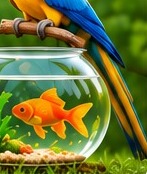
Betta Fish
A colourful fish that needs warm, clean water and an appropriately sized tank.
View Details →Browse detailed information about freshwater aquarium fish, with practical notes on tank volume, water chemistry, filtration and species compatibility. Compare profiles and learn what each companion needs.
Explore Guides →Explore aquarium fish and learn about tank cycling, water quality, compatible species, feeding and maintenance for a stable aquatic environment.
A colourful fish that needs warm, clean water and an appropriately sized tank.
View Details →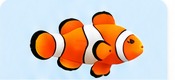
No matching results. Try another search or reset the filters.
Explore aquarium fish and learn about tank cycling, water quality, compatible species, feeding and maintenance for a stable aquatic environment.
Consider your routine, available space, budget, experience and the time you can offer for care. For freshwater aquarium fish, research tank volume, water chemistry, filtration and species compatibility before choosing.
Read Pet Care Guides →Climate, housing and veterinary access vary by state, province and municipality. For freshwater aquarium fish, check seasonal risks and identify a qualified professional with relevant species experience.
Compare tank volume, water chemistry, filtration and species compatibility, temperament, adult requirements and expected lifespan with your household routine. Ask a qualified professional about any needs you are unsure how to meet.
Before bringing home freshwater aquarium fish, prepare the right habitat, suitable food, clean water and enrichment, and identify a qualified veterinarian.
Open a profile card for a focused freshwater aquarium fish guide with individual facts, daily care details, nutrition notes, health considerations and common questions.
Use this freshwater aquarium fish directory as a starting point for responsible ownership. Confirm individual care plans with qualified professionals.
Choose an aquarium based on the adult size, swimming behaviour, social needs and water requirements of the species you intend to keep. A small container is not a suitable default home for every fish. Research whether the fish is territorial, schooling, a fin-nipper, a bottom-dweller or a fast swimmer. Guppies, mollies, bettas, goldfish, neon tetras and angelfish have different care requirements and may not be compatible in one tank. Consider the weight of a filled aquarium, a stable stand, electrical safety and access for maintenance before setting it up.
A healthy aquarium depends on biological filtration. Before adding fish, learn how the nitrogen cycle works and how beneficial bacteria process toxic ammonia and nitrite. Test water rather than judging it by appearance: clear water can still contain harmful compounds. Monitor temperature, pH, ammonia, nitrite and nitrate using appropriate tests. Tap water may require a suitable dechlorinator, and source-water chemistry can vary between cities and local water supplies and local supplies. Make gradual adjustments and avoid sudden changes that can stress fish. Never add a large number of fish to a new aquarium all at once.
Feed a species-appropriate complete diet in small portions that fish can consume without leaving excess waste. Overfeeding is a common cause of poor water quality. Maintain filtration and water movement suitable for the species, and clean filter media in a way that preserves beneficial bacteria. Regular partial water changes help manage dissolved waste; the schedule depends on stocking, filtration, feeding and test results. Avoid washing filter media with untreated chlorinated tap water. Keep a maintenance log so trends can be noticed before they become emergencies.
Do not mix fish solely because they look attractive together. Compare adult size, temperature range, water chemistry, temperament and social behaviour. Quarantine new fish when possible and observe them before introducing them to an established aquarium. Watch for clamped fins, unusual swimming, rapid breathing, loss of appetite, spots or isolation. These signs can have several causes, including water-quality problems, parasites or infection. Test water first and consult an aquatic veterinarian or experienced qualified professional rather than adding random treatments.
A filter does not remove the need for water changes and testing. Goldfish commonly require more space and filtration than beginners expect. Bettas also need stable warm water and suitable filtration; a tiny unheated bowl is not an appropriate long-term habitat. The safest aquarium is planned around the needs of its inhabitants, not the number of fish a shop tank can temporarily hold.
Do not add fish until the aquarium is properly prepared and its biological filtration is established. Learn the nitrogen cycle and test ammonia and nitrite.
Use appropriate tests for ammonia, nitrite, nitrate, pH and temperature. Clear-looking water can still contain harmful compounds.